

Self-care is frequently presented through products and occasional treatments. These choices can be enjoyable, but they do not always address how a person feels while sitting, standing and moving throughout the day. Physical tension can influence facial expression, clothing comfort and the confidence with which someone enters a room.
Selecting a yoga studio near me can make posture-led self-care easier to practise consistently. Yoga should not be marketed as an instant beauty transformation or a way to create a perfect body. Its value comes from improving awareness, movement options and the ability to recognise unnecessary tension before it dominates personal presentation.
Posture Is Not a Cosmetic Pose
Posture advice often encourages people to pull the shoulders back, lift the chest and hold the stomach tightly. This may create a temporarily upright appearance, but maintaining rigid muscular effort is neither comfortable nor sustainable.
Posture is dynamic. It changes while walking, working, resting and communicating. A useful practice helps the body move between positions instead of forcing one ideal shape.
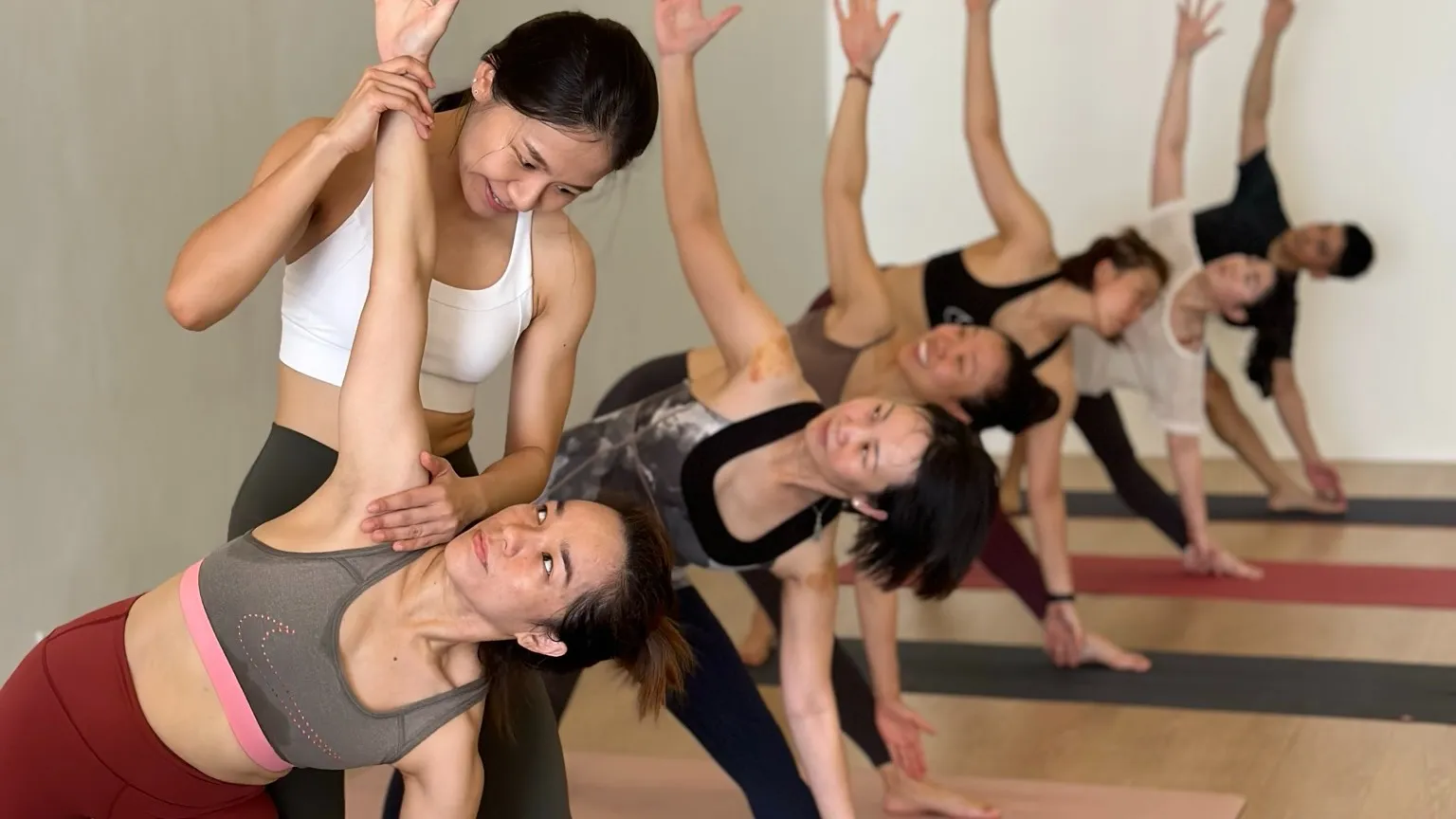
Yoga classes can introduce this variety through standing, kneeling, seated and floor-based movement. The objective is not to look correct during every moment, but to develop more comfortable choices.
Daily Habits Shape Personal Presentation
Hours spent looking at screens can encourage the head to move forward and the shoulders to remain rounded. Carrying a bag on the same side, leaning into one hip or crossing the same leg can create familiar asymmetries.
These habits may affect how clothing sits and how relaxed someone appears in photographs or meetings. They are not personal failures. They are adaptations to repeated positions.
Yoga creates an opportunity to notice these patterns. Awareness allows a person to change position earlier instead of waiting for discomfort.
Breathing Influences Visible Tension
Stress can appear through a lifted chest, clenched jaw, raised shoulders or shallow breathing. Skincare and grooming may improve surface appearance, but they cannot replace the experience of feeling at ease.
Breathing practices can help participants recognise when they are using more muscular effort than necessary. A comfortable exhalation may allow the jaw, neck and shoulders to soften.
Breathing should not be forced. Trying to take the deepest possible breath can create additional tension. The appropriate rhythm supports movement without becoming another performance.
The Upper Back Supports Poise
Poise is sometimes associated with pulling the shoulders backwards. In reality, the upper back and shoulder blades need enough mobility and control to support different arm positions.
Yoga movements involving reaching, pushing and rotation can help participants understand how the shoulder blades move across the ribcage. This produces a more adaptable form of upper-body support.
The result is not a permanently fixed posture. It is greater capacity to sit, stand and move without relying on one strained position.
Neck Position Affects Photographic Confidence
Phones and laptops often bring the face towards the screen. When this pattern continues during photographs, people may respond by suddenly pulling the head back or lifting the chin.
A more natural position comes from awareness of the ribcage, upper back and head together. Focusing on the neck alone can make the posture look stiff.
Yoga can help practitioners explore these relationships gradually. The goal is to feel comfortable enough that a photograph does not require an exaggerated pose.
Alignment Should Not Become Body Criticism
Words such as misaligned or incorrect can make people feel that their body is defective. Alignment is more useful when presented as a way to organise force and explore comfort.
Different bodies may use different stance widths, hand positions and ranges. An option that looks symmetrical from the outside may not feel balanced to the participant.
A supportive instructor explains why a position is suggested and provides alternatives without ranking bodies according to appearance.
Clothing Comfort Is Part of Self-Care
Garments interact with movement. A waistband may feel comfortable while standing but restrictive during seated positions. A neckline can shift when the shoulders repeatedly elevate.
Yoga does not determine which clothing someone should wear. It can help people notice how fabric, fit and posture interact, allowing more informed choices.
Comfort supports confidence. Repeatedly adjusting an outfit can be distracting, while clothing that accommodates normal movement allows attention to remain elsewhere.
Body Confidence Grows Through Capability
Appearance-based confidence can be fragile because it depends on lighting, clothing and comparison. Capability provides another foundation.
Learning to balance, control a transition or use a modification effectively can change how someone relates to their body. The achievement does not need to look dramatic.
A studio culture focused on skill and personal range is more likely to support confidence than one that uses extreme postures as the main measure of success.
Convenience Supports a Real Self-Care Routine
Self-care is often abandoned when it requires too much organisation. A studio close to existing journeys reduces the number of decisions involved.
Practitioners are more likely to attend a moderate class after work when the route is straightforward. This consistency matters more than an occasional intense session followed by several weeks away.
The location should still offer suitable teaching, class levels and an environment in which questions are welcomed.
Different Days Need Different Classes
Posture-led self-care should respond to current needs. After a long desk-based day, mobility and controlled movement may feel useful. Following a demanding workout, a gentler recovery class may be more appropriate.
A varied timetable allows the practitioner to remain consistent without expecting identical performance in every session.
Choosing a lower-intensity class is not a lack of discipline. It can be an informed response to sleep, stress and total physical load.
Avoid Beauty Claims That Yoga Cannot Deliver
Yoga marketing sometimes promises detoxification, permanent facial changes or rapid body transformation. These claims oversimplify both beauty and movement.
A responsible practice focuses on outcomes it can realistically support, such as awareness, physical capability, relaxation and movement confidence.
People with pain, skin concerns or health conditions should seek appropriate professional guidance rather than expecting a yoga class to provide treatment.
Create Small Habits Outside the Studio
The effect of class becomes more useful when awareness carries into daily life. A person can change sitting position during work, vary which hand carries a bag or take a short movement break.
These actions do not need to resemble formal yoga. They simply prevent one posture from occupying the entire day.
The studio provides learning and practice, while daily habits determine how often those skills are used.
Choosing a Supportive Environment
The right studio combines convenience with respectful instruction. Participants should be able to modify movements, ask questions and progress without appearance-based pressure.
At Yoga Edition, practitioners can consider class formats and schedules that support regular movement within an existing self-care routine.
Posture-led self-care is not about holding the body perfectly. It is about noticing tension, expanding movement choices and developing a more comfortable physical presence. Beauty becomes less dependent on correction and more connected to confidence, ease and personal expression.
Frequently Asked Questions
Can yoga permanently correct posture?
Posture changes with activity, environment and habit. Yoga may improve awareness and capacity, but no single position should be maintained permanently.
Will better posture change facial appearance?
Head, neck and shoulder position can influence presentation, but yoga should not be expected to reshape facial features.
Is flexibility required for poise?
No. Poise depends more on control, comfort and confidence than extreme range of motion.
Can yoga replace beauty or skincare treatments?
No. Yoga is a movement practice. It may complement a self-care routine but does not replace appropriate skincare or medical treatment.
How often should someone attend for postural awareness?
Regular, manageable practice is more useful than occasional intensity. Frequency should fit recovery, schedule and other activity.
What makes a studio supportive of body confidence?
Respectful language, normalised modifications, realistic progression and an emphasis on capability rather than appearance are positive signs.