

The gym is a sanctuary for personal growth, but it is also a breeding ground for microorganisms. Between shared equipment, damp locker rooms, and sweat-soaked apparel, the environment is ripe for the transmission of bacteria, fungi, and viruses. These pathogens thrive in warm, moist conditions, and unfortunately, gym gear is the perfect vehicle for their survival and spread. Common skin infections such as ringworm, staph infections, and folliculitis are not just uncomfortable; they can sideline your training for weeks. Maintaining pristine hygiene for your gym gear is not just about keeping things smelling fresh—it is a critical component of your health strategy.
The Microbiological Reality of Your Gym Bag
Before discussing how to clean your gear, it is important to understand what you are dealing with. Your gym bag acts as a dark, enclosed environment where moisture from damp towels and sweaty shirts can accumulate. Bacteria like Staphylococcus aureus often live on the skin, but when introduced to a moist, warm environment like a gym bag or a locker, these bacteria can multiply rapidly. When you reuse unwashed gear, you are essentially rubbing a colony of microbes back into your skin, where they can enter through microscopic abrasions, hair follicles, or compromised skin barriers.
Fungal spores are equally problematic. The organism responsible for ringworm can survive on fabric for extended periods. If your yoga mat, wrist wraps, or gym shorts are not properly sanitized, you may be re-infecting yourself every time you use them. Understanding this reality is the first step toward adopting a rigorous sanitation routine that protects your skin and keeps your training on track.
Immediate Post-Workout Protocols
The most effective way to prevent the buildup of pathogens is to disrupt their growth cycle immediately after your workout. Most people fall into the trap of tossing their sweaty clothes into their bag and letting them sit for hours or even days. This is the single most significant factor in promoting bacterial growth.
-
Ventilation is Key: If you cannot wash your clothes immediately, remove them from your gym bag as soon as you get home. Hang them up to air dry rather than leaving them in a pile on the floor or in a closed container. Drying out the fabric prevents the moisture levels that bacteria need to flourish.
-
Use Mesh Bags: Instead of a plastic-lined compartment, use a mesh bag to transport your sweaty gear. This allows airflow, which prevents the trapping of heat and humidity.
-
Separate Contaminated Items: Never keep your shoes, used towels, and clothes in the same compartment as your clean water bottle or protein shaker. Ideally, use a dedicated, antimicrobial-treated bag that can be wiped down or thrown in the washing machine regularly.
Mastering the Laundry Routine
Standard washing machine cycles are often insufficient to kill the resilient bacteria found in gym gear. Synthetic fabrics, which make up the vast majority of workout apparel, are designed to wick moisture, but they are also designed to trap oils and dead skin cells in their tight-knit fibers. To truly sanitize this gear, you must adjust your laundry habits.
When washing your workout clothes, utilize the hottest water setting that the fabric care label permits. High heat is one of the most effective ways to denature the proteins that make up bacteria and fungal spores. If you are concerned about fabric integrity, utilize a laundry sanitizer additive. These products are specifically formulated to kill bacteria that survive standard detergents and cooler water temperatures. Avoid using excessive amounts of fabric softener, as this leaves a waxy residue on the fabric that traps bacteria and prevents the moisture-wicking properties of the garment from working correctly.
Sanitation for Non-Apparel Gear
Your clothes are only half the battle. Your gym bag, water bottle, and accessories like lifting belts or yoga mats require just as much attention. These items are often porous or textured, making them excellent hiding spots for debris.
-
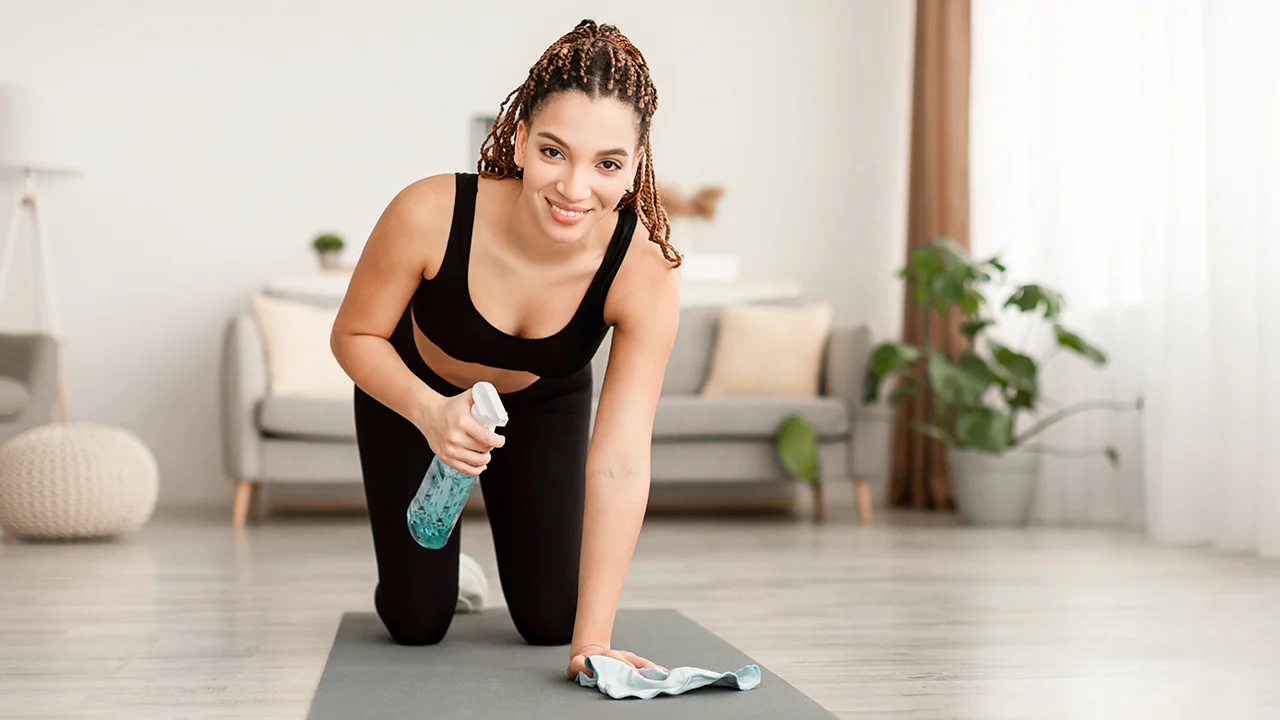
Yoga Mats: Most yoga mats are made of closed-cell foam, but they still accumulate skin oils. Use a mix of water and a small amount of mild dish soap, or a dedicated yoga mat spray that contains essential oils with antimicrobial properties like tea tree oil. Wipe the mat down after every single session and allow it to air dry completely before rolling it up.
-
Lifting Belts and Wraps: These items are often made of leather or heavy-duty nylon. They are rarely washed, yet they come into contact with your bare skin repeatedly. Use an alcohol-based wipe or a disinfectant spray after your workout. If the belt is leather, ensure you use a leather-safe cleaner to maintain the integrity of the material while still removing surface pathogens.
-
Gym Bags: Most modern gym bags can be turned inside out and tossed in the washing machine. If your bag has a rigid frame that cannot be machine-washed, wipe down the interior surfaces with a disinfectant solution at least once per week. Pay close attention to the corners and seams where lint and sweat can accumulate.
The Importance of Skin Hygiene
While keeping your gear clean is essential, you must also consider the condition of your own skin. The skin is your body’s first line of defense. If your skin is dry, cracked, or suffering from minor abrasions, the likelihood of a pathogen causing an infection increases dramatically.
After your workout, prioritize a shower immediately. Waiting for your sweat to dry on your skin allows bacteria to settle back into your pores. Use a gentle, pH-balanced cleanser that removes sweat and surface oil without stripping the skin of its natural protective barrier. If you are prone to breakouts or infections, a body wash containing salicylic acid or benzoyl peroxide can help keep follicles clear. However, do not over-scrub, as this creates micro-tears that can serve as entry points for bacteria.
Choosing the Right Fabrics
When you are in the market for new gym gear, consider the materials. While synthetic polyester blends are great for performance, they are also the most prone to holding onto odors and bacteria. Look for fabrics that feature built-in silver ion or antimicrobial treatments. While these treatments are not a substitute for washing, they can inhibit the reproduction of bacteria while you are wearing the gear. Natural fibers like bamboo or merino wool have inherent antimicrobial properties that make them excellent choices for those who find themselves struggling with recurrent skin issues despite a rigorous cleaning routine.
Establishing a Weekly Maintenance Schedule
Consistency is the antidote to infection. If you treat gym hygiene as a casual chore, you will inevitably let it slide, and that is when infections occur. Create a schedule that breaks down your maintenance into daily, weekly, and monthly tasks.
Daily tasks should include emptying your gym bag, hanging up sweaty gear, and wiping down your water bottle and lifting equipment. Weekly tasks should include running a full load of laundry for your workout gear, disinfecting your gym bag interior, and deep-cleaning your yoga mat or other accessories. Monthly tasks should involve a deep audit of your gear. Check your shoes for signs of mold or excess dampness, inspect your straps for fraying that might trap bacteria, and consider tossing items that are no longer able to be effectively cleaned. By systematizing these efforts, you reduce the cognitive load of remembering to clean your gear and ensure that the habit becomes second nature.
Frequently Asked Questions
Is it safe to wash my gym shoes in the washing machine?
Most synthetic gym shoes can be washed in a machine on a gentle cycle, but you should place them in a mesh laundry bag to prevent damage. Always remove the insoles and wash them separately. Allow them to air dry completely, as placing them in a hot dryer can ruin the structural adhesive of the shoe.
What should I do if I notice a weird smell in my gym bag that won’t go away?
A persistent odor is a sign of deep-seated bacterial growth. Try spraying the interior with a mixture of water and white vinegar, then let it dry in direct sunlight. Sunlight acts as a natural disinfectant. If the odor remains, the bag may need to be replaced, as porous materials can harbor bacteria that are difficult to fully eradicate.
Does using a sauna after my workout help or hurt my skin hygiene?
Saunas can be beneficial for muscle recovery, but they are also common sites for fungal transmission. Always sit on a clean, dry towel rather than directly on the wooden benches. Ensure you shower immediately after using the sauna to rinse off the sweat and any potential spores you may have picked up from the environment.
Should I use bleach to clean my colored workout clothes?
Bleach is highly effective at killing bacteria but will likely ruin the color and elasticity of your performance fabrics. Instead of bleach, use an oxygen-based bleach alternative or a dedicated laundry sanitizer that is safe for synthetic, colored fabrics to ensure effective cleaning without destroying your gear.
How often should I replace my gym towels?
Towels are notorious for holding onto moisture and bacteria. If you use a towel at the gym, it should be washed after every single use. If the towel develops a sour smell even after being washed and dried, it is time to replace it, as the fabric has likely become so compromised that it is no longer sanitary.
Can I use essential oils to sanitize my gym equipment?
While essential oils like tea tree, eucalyptus, and lavender have some antimicrobial properties, they are generally not strong enough to be considered a clinical-grade disinfectant for gym gear. Use them for their pleasant scent or as a secondary measure, but rely on soap, water, and disinfectant sprays for your primary cleaning needs.