

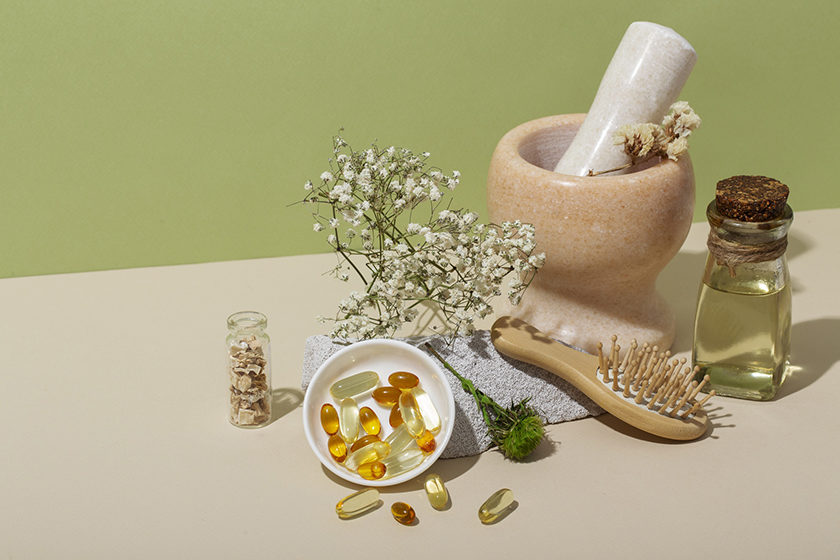
The desire for strong, resilient nails and thick, vibrant hair is a universal aesthetic goal, but these external markers often serve as primary indicators of your internal health. Before turning to the supplement aisle, it is crucial to understand that your hair and nails are non-essential tissues. When the body faces a nutrient deficit, it prioritizes vital organs such as the heart, brain, and liver, effectively starving hair follicles and nail beds of the building blocks they need to thrive. Consequently, brittle nails and thinning hair are frequently the first outward signs of a nutritional imbalance. While no pill can replace a balanced diet, targeted supplementation can address specific deficiencies and provide the raw materials necessary to support growth, provided you approach the process with safety and medical awareness.
The Foundation of Growth: Protein and Amino Acids
Hair and nails are composed primarily of a tough, fibrous protein called keratin. If your diet is chronically low in protein, your body simply does not have the structural components required to produce new hair strands or strengthen nail plates. While many people look for fancy vitamins, they often neglect the most fundamental requirement: amino acids.
-
Collagen: Collagen peptides have gained massive popularity for their potential to support skin, hair, and nail health. As we age, our natural collagen production declines, which can lead to thinner hair and weaker nails. Supplementing with hydrolyzed collagen provides the body with the amino acids proline, glycine, and hydroxyproline, which are essential for keratin production.
-
L-Cysteine and L-Methionine: These are sulfur-containing amino acids that play a critical role in the structural integrity of hair. Sulfur bonds are what give hair its strength and shape. Including these amino acids, often found in high-quality protein powders or specific hair-skin-nail formulations, can help reinforce the strength of your follicles and nail beds.
Essential Vitamins for Follicle and Nail Bed Health
Certain vitamins act as cofactors in the complex biochemical reactions required to synthesize new cells. When these are missing, growth slows down, and existing tissues become prone to damage.
-
Biotin (Vitamin B7): Biotin is perhaps the most famous supplement for hair and nails. It facilitates the metabolism of fats, carbohydrates, and amino acids. While true biotin deficiency is rare in healthy individuals, therapeutic doses are often used to improve the infrastructure of keratin. However, be cautious: high doses of biotin can interfere with laboratory blood tests, particularly those used to diagnose heart conditions or thyroid issues. Always inform your doctor if you are taking high-dose biotin.
-
Vitamin D: Often referred to as the sunshine vitamin, vitamin D plays a role in the hair follicle cycle. Low levels of vitamin D are frequently associated with hair shedding and thinning. Before starting a high-dose vitamin D supplement, have your levels checked via a simple blood test. It is a fat-soluble vitamin, meaning it is stored in the body and can reach toxic levels if over-supplemented.
-
Vitamin C: Beyond its immune-boosting properties, vitamin C is essential for the production of collagen. It is also a powerful antioxidant that protects the hair and nails from oxidative stress caused by environmental pollutants and UV radiation.
The Role of Minerals in Tissue Strength
If vitamins are the catalysts, minerals are the building blocks. A deficiency in key minerals can lead to slow growth and visible defects like ridges in the nails or increased hair fragility.
-
Iron: Iron deficiency anemia is one of the most common causes of hair loss in women. Iron is responsible for carrying oxygen to the cells, including the hair follicles. Without adequate oxygen, hair growth stalls. If you suspect an iron deficiency, do not start taking iron supplements blindly. Iron toxicity is a serious medical concern. Only supplement iron if a physician has confirmed a deficiency through a ferritin test.
-
Zinc: Zinc is essential for hair tissue growth and repair. It also helps keep the oil glands around the follicles working properly. A deficiency in zinc often manifests as hair loss and slow-healing nail cuticles. The key with zinc is balance; too much zinc can interfere with the absorption of other minerals like copper, leading to secondary deficiencies.
-
Silica: Silica is a trace mineral that contributes to the strength of connective tissues. It is often cited for its ability to improve the thickness of hair and the hardness of nails by helping to deposit minerals into the tissues.
Navigating the Safety Landscape
The supplement industry is vast, and not all products are created equal. When choosing supplements for hair and nail growth, safety must be your top priority. Many “all-in-one” hair and nail gummies contain excessive amounts of vitamins that can lead to toxicity if taken over a long period. Furthermore, supplements are not regulated with the same rigor as pharmaceuticals, meaning some products may contain undisclosed ingredients or dosages that differ from the label.
Always opt for products that have been third-party tested for purity and potency. Look for seals from reputable independent laboratories. More importantly, prioritize a “food-first” approach. Supplements are intended to fill the gaps in your diet, not to function as your primary source of nutrition. If you are experiencing sudden, patchy hair loss or brittle, discolored nails, these may be symptoms of an underlying medical condition—such as a thyroid disorder, autoimmune disease, or severe hormonal imbalance—that no amount of biotin or collagen can fix.
Building a Routine That Lasts
Consistency is the secret to seeing results. Hair and nails grow slowly; it can take three to six months of consistent supplementation to notice a visible change in the quality of your hair or the strength of your nails. This is because you are nourishing the cells that are currently forming under the skin.
-
Patience: Do not expect overnight miracles. Use a calendar to track your progress and take photos of your hair and nails once a month to objectively measure changes.
-
Monitor Your Reaction: Pay attention to how your body reacts to new supplements. Digestive upset, skin breakouts, or changes in energy levels are signs that the dosage may be too high or the form of the nutrient is not agreeable with your system.
-
Holistic Integration: Combine your supplement routine with physical care. This includes minimizing heat styling for your hair, wearing gloves when doing dishes to protect your nails from water and detergents, and maintaining a scalp-care routine that promotes blood flow.
Frequently Asked Questions
Does taking more biotin make hair grow faster?
No. Biotin supports the structure of existing keratin, but it does not act as a fuel that speeds up the rate of growth. Taking more than the recommended daily amount will not result in faster hair growth; it will simply lead to the excess being excreted by the body or, in some cases, causing misleading lab test results.
Can supplements fix nails damaged by acrylics?
Supplements can support the growth of the new, healthy nail plate as it emerges from the cuticle, but they cannot repair the damage already done to the existing nail. Damaged nails need time to grow out, and the best way to support them is to keep them moisturized and protected from chemicals while the new nail bed regenerates.
Are gummy vitamins as effective as capsules?
Gummy vitamins often contain added sugars and may have lower concentrations of nutrients compared to high-quality capsules. Furthermore, some vitamins in gummy form may be less stable and degrade more quickly. Capsules or tablets generally offer better stability and more precise dosing.
What is the best time of day to take hair and nail supplements?
Most hair and nail supplements, particularly those containing fat-soluble vitamins (like D) or iron, are best absorbed when taken with a meal that contains a small amount of healthy fat. Always check the label, as some specific formulations have unique timing recommendations for optimal absorption.
Can hormone-balancing supplements help with hair growth?
If hair thinning is related to hormonal shifts, such as those occurring during menopause or due to conditions like PCOS, some people find relief with targeted support. However, hormonal health is extremely delicate. You should never attempt to “balance” your hormones with over-the-counter supplements without professional medical guidance.
Do I need a hair and nail supplement if I already take a multivitamin?
Many high-quality multivitamins already contain the base levels of biotin, zinc, and vitamin C needed for general health. Check the label of your current multivitamin before adding a secondary product to avoid accidental overdose of certain vitamins and minerals.
Are there any side effects to taking collagen daily?
Collagen is generally well-tolerated, but some people report digestive issues, such as a feeling of fullness or a mild unpleasant taste. If you have a history of kidney issues, you should speak with a doctor before increasing your protein intake through concentrated collagen supplements, as it places a higher demand on the kidneys.