

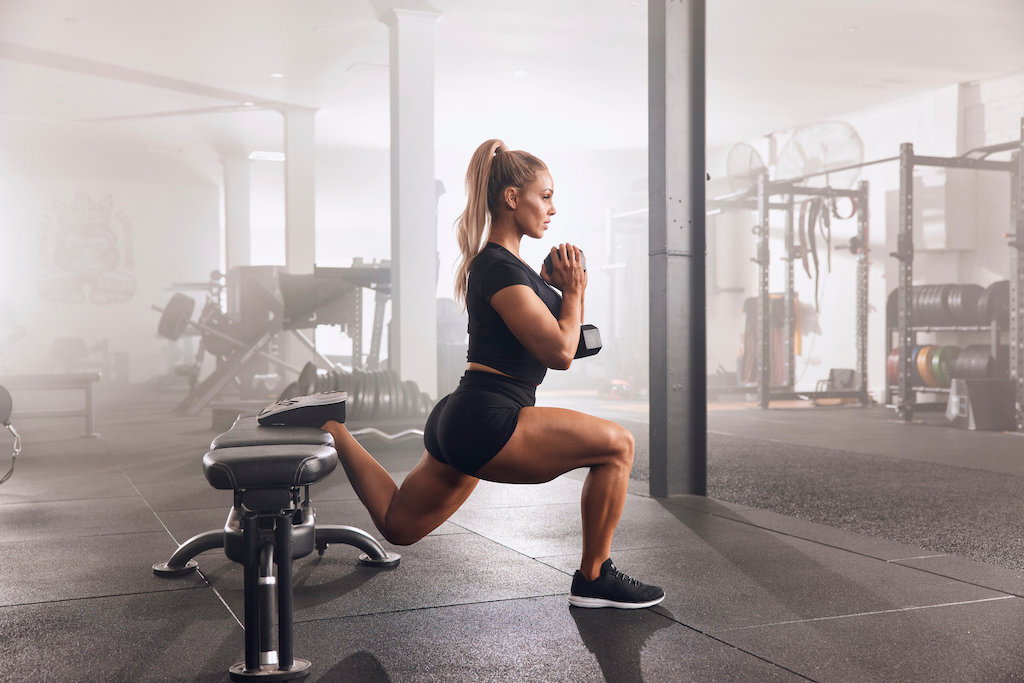
The journey into motherhood is a transformative experience, impacting your body in profound and lasting ways. After the excitement of welcoming a new baby, many individuals feel a natural desire to return to physical activity. Whether your goal is to reclaim your strength, manage stress, or simply enjoy the mental health benefits of exercise, returning to the gym after childbirth requires patience, strategy, and a deep respect for your recovery.
Physical recovery from pregnancy and childbirth is not a race. Your body has undergone significant physiological shifts, including changes to your abdominal wall, pelvic floor, and overall cardiovascular capacity. Transitioning back to fitness is not just about returning to your pre-pregnancy weight; it is about rebuilding a foundation that supports your current lifestyle and the physical demands of parenting.
The Importance of Medical Clearance
Before you step foot back into a gym or engage in structured high-intensity exercise, you must obtain explicit clearance from your healthcare provider. This is typically discussed during your six-week postpartum checkup. However, if you had a cesarean section, a complex vaginal delivery, or experienced specific complications such as diastasis recti or pelvic floor dysfunction, you might need a longer recovery period or a referral to a pelvic floor physical therapist.
Your doctor will assess whether your incision sites have healed, how your uterus has involuted, and whether your blood pressure and cardiovascular health are stable. Do not view this clearance as a green light to jump back into your old workout routine at pre-pregnancy intensity. Instead, view it as an opportunity to begin a new, intentional phase of physical conditioning.
Prioritizing Core and Pelvic Floor Health
The most critical area to address postpartum is your core. Pregnancy stretches the abdominal muscles, often leading to a condition called diastasis recti, where the rectus abdominis muscles separate. Simultaneously, the weight of the uterus puts significant strain on the pelvic floor muscles.
If you jump straight into traditional crunches or heavy lifting without proper core engagement, you risk exacerbating these issues, leading to back pain, pelvic organ prolapse, or continued abdominal separation.
Strategies for Core Reintegration
-
Breathwork: Begin by practicing diaphragmatic breathing. Inhale through your nose, expanding your ribcage 360 degrees, and exhale through your mouth, gently drawing your belly button toward your spine without tucking your pelvis.
-
Pelvic Floor Activation: Practice gentle pelvic floor contractions (Kegels). Focus on the sensation of lifting and squeezing the muscles used to stop the flow of urine, ensuring you fully relax afterward.
-
The Transverse Abdominis (TA): This deep abdominal muscle acts as your body’s natural corset. Focus on light TA activations while performing basic movements like bridging or bird-dogs.
If you experience sensations of heaviness in the pelvic area, leaking during exercise, or see significant coning or doming of your abdomen during movement, stop immediately. These are signals that your body is not yet ready for that specific exercise intensity and that you should dial back.
Building a Gradual Return to the Gym
Once you have established a baseline of core awareness, you can begin to incorporate movement back into your routine. Consistency is more effective than intensity. Start with small, manageable sessions that allow your body to adapt without causing excessive fatigue or soreness.
Phase 1: The Initial Weeks (Weeks 6-12)
Focus on low-impact activities. Walking is one of the most effective exercises for postpartum recovery. It is functional, improves cardiovascular health, and is gentle on the joints. You can gradually increase your distance and pace as you feel more comfortable. Incorporate bodyweight exercises that focus on stability, such as standing calf raises, assisted squats, and wall pushes.
Phase 2: Building Strength (Months 3-6)
As you feel more confident, introduce light resistance training. Focus on functional movements that translate to daily life, such as picking up the baby or carrying groceries. Examples include goblet squats with a light weight, deadlifts using a kettlebell, and overhead presses. Keep your focus on perfect form rather than heavy weight. Always prioritize your form over the number of repetitions completed.
Phase 3: Returning to High Impact (6 Months+)
High-impact activities like running or jumping should be the final stage of your return. Ensure you have zero symptoms of pelvic floor dysfunction or pain before increasing the impact. If you feel ready, start with run-walk intervals to test your body’s tolerance to the increased load on your joints and pelvic floor.
Listening to Your Body: The Role of Hormones and Sleep
It is essential to recognize that your body is still subject to the effects of relaxin, a hormone that increases joint laxity. This hormone can persist in your system for several months postpartum, especially if you are breastfeeding. Consequently, your joints may be less stable, making you more prone to injuries such as sprains or strains. Avoid overstretching and prioritize stability-based movements over extreme range-of-motion exercises.
Furthermore, sleep deprivation is a hallmark of early parenthood. Lack of sleep impairs muscle recovery, decreases cognitive function, and increases your perception of physical exertion. Adjust your workout intensity based on your sleep quality. On days when you have had very little rest, choose a gentle yoga session or a walk instead of a heavy lifting session.
Nutritional Support and Hydration
Your body needs adequate fuel to recover from the physical demands of both parenting and exercise. If you are breastfeeding, your caloric needs are significantly increased. Prioritize high-quality proteins to support muscle repair, complex carbohydrates for sustained energy, and healthy fats for hormone regulation.
Hydration is equally critical, particularly for maintaining milk supply and ensuring optimal joint function. Keep a water bottle accessible during your workouts and aim to hydrate consistently throughout the day. Avoid relying on excessive caffeine for energy before a workout, as it can mask true fatigue and contribute to dehydration.
Setting Realistic Expectations
The most common mistake postpartum individuals make is attempting to force their body to match its pre-pregnancy performance immediately. This approach often leads to burnout or injury. Redefine what success looks like. Success during this period is showing up for yourself, moving your body in a way that feels good, and prioritizing longevity over short-term aesthetic results.
Track your progress through non-scale victories. Notice how much stronger you feel when carrying your baby, how your energy levels improve throughout the day, and how much better your mood is after a workout. Let go of the pressure to “bounce back.” Instead, embrace the process of building a resilient body that is capable of supporting you in your role as a parent.
Frequently Asked Questions
Is it safe to exercise if I had a C-section?
Yes, exercise is generally safe once you have received medical clearance. However, the recovery timeline for a C-section is often longer than for a vaginal birth. You must wait for the abdominal incision to fully heal. Start with gentle walking and avoid direct abdominal exercises until you have been given the go-ahead by your surgeon to ensure your scar tissue and internal healing are stable.
How do I know if I have diastasis recti and should I be worried?
Diastasis recti is the separation of the rectus abdominis muscles. You can check for it by lying on your back with knees bent and gently lifting your head while feeling along your midline just above and below your navel. If you feel a significant gap or notice a ridge appearing, you likely have it. It is very common and usually not a cause for panic. Focus on deep core breathing and avoid exercises that cause the belly to bulge forward until the gap begins to narrow.
Can exercise decrease my milk supply?
Moderate exercise generally does not decrease milk supply. However, severe dehydration or extreme calorie restriction can have a negative impact. It is crucial to stay well-hydrated and ensure you are eating enough to cover both your metabolic needs and the energy required for lactation and physical activity.
When can I start lifting heavy weights again?
There is no specific date, as it depends on your individual recovery. Typically, by 4 to 6 months postpartum, many individuals are ready to begin gradually increasing weight. The indicator is the absence of symptoms like pelvic pain, leaking, or abdominal coning during lighter movements. Always start light and increase volume slowly.
I feel like I am falling apart, is this normal?
Yes, it is entirely normal. The postpartum period involves significant hormonal shifts, changes in your musculoskeletal system, and massive lifestyle adjustments. If you feel overwhelmed, experiencing pain, or notice symptoms like heavy pelvic pressure that do not go away, consult a physical therapist who specializes in pelvic floor health.
How many days per week should I work out?
Start small. Even two to three days a week of 20-minute sessions is highly beneficial. Quality and consistency are far more important than frequency or duration. As you recover and feel stronger, you can gradually increase your workout frequency and length. Listen to your body and prioritize rest on days when you feel exhausted.
Are there specific exercises I should avoid entirely?
Avoid exercises that put extreme pressure on your abdominal wall or pelvic floor before you are ready. This includes heavy sit-ups, planks, or high-intensity jumping movements. If an exercise causes pain, leaking, or visible doming of your stomach, it is a sign to stop and regress to a simpler movement until your body is better prepared.