

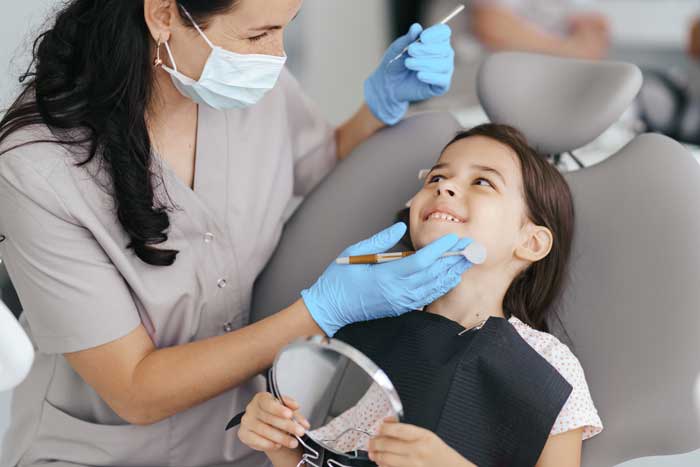
The mouth is frequently described as the gateway to the body, yet for many, dental care remains a siloed aspect of healthcare, separate from general physical wellness. For children, this separation is a significant oversight. Early childhood oral health is not merely about preventing cavities or ensuring a bright smile; it acts as a critical indicator and a foundational determinant of long-term systemic health. Establishing good oral hygiene habits and addressing dental issues early in life creates a ripple effect that influences physical, cognitive, and psychological development well into adulthood.
The Foundation of Lifelong Health
From a life course perspective, the dental habits established in childhood are some of the most consistent health behaviors an individual will maintain. Permanent teeth begin to emerge around age six, and with proper care, they are intended to last a lifetime. When children learn to value their oral health through regular brushing, flossing, and dental checkups, they are not just protecting their teeth; they are internalizing a model of preventative self-care that often translates to other areas of health, such as nutrition and exercise.
The American Dental Association emphasizes that initial dental visits should occur between the appearance of the first tooth and the child’s first birthday. This early contact with dental professionals fosters a relationship that can last for decades. Unlike many other medical specialties that see patients sporadically, the dental team often serves as a constant touchpoint for families, allowing for sustained monitoring and guidance that supports holistic growth.
Mechanisms Linking Oral and Systemic Health
To understand why oral health predicts future medical well-being, one must look at the biological mechanisms that connect the mouth to the rest of the body. The oral cavity is a complex ecosystem, and when its homeostasis is disrupted—such as through early childhood caries or periodontal disease—it does not stay contained.
Chronic Low-Grade Inflammation
One of the primary pathways linking oral health to systemic disease is chronic inflammation. When oral bacteria invade the gums or when decay becomes advanced, the body responds by mounting an immune reaction. This leads to the release of pro-inflammatory cytokines into the bloodstream. Over time, this constant state of low-grade systemic inflammation can contribute to endothelial dysfunction, which is a precursor to cardiovascular issues later in life.
Microbial Translocation
The mouth is home to a vast reservoir of microbes. When dental hygiene is poor, harmful bacteria can enter the bloodstream through inflamed gum tissue or dental abscesses, a process known as transient bacteremia. While the body often clears these bacteria quickly, chronic exposure to oral pathogens can compromise the immune system and has been linked in various studies to an increased risk of heart disease, diabetes, and even respiratory conditions as children grow into adulthood.
The Gut-Brain Axis and Cognitive Development
Recent research suggests that early oral health may even impact neurological development. Pain, infection, and discomfort from untreated tooth decay can disrupt a child’s sleep patterns and nutritional intake. Furthermore, the constant presence of inflammatory markers and the potential disruption of the gut microbiome—often exacerbated by the frequent use of antibiotics to treat recurring dental infections—may interfere with cognitive growth. Mastication, or the act of chewing, is also vital; it stimulates blood flow to the brain and supports hippocampal development, which is crucial for learning and memory.
Impacts on Physical and Social Development
The consequences of neglecting pediatric oral health extend beyond internal physiology, significantly affecting how a child interacts with the world.
-
Nutritional Status: Children with dental pain often struggle to chew properly, leading to the avoidance of nutrient-dense foods. This can result in localized malnutrition, which hinders physical growth and developmental milestones.
-
Speech and Language: Premature tooth loss caused by severe decay can impede speech development. Teeth play a structural role in forming sounds; their absence or misalignment can lead to speech delays or communication difficulties that may affect a child’s social confidence.
-
Psychological Well-being: The stigma associated with visible decay or chronic bad breath can have profound psychological effects. Children may experience low self-esteem or social anxiety, which can hinder their ability to engage with peers and participate in educational activities.
-
Academic Success: Research has consistently shown that children with poor oral health often experience more school absences and lower concentration levels. The cycle of pain and treatment-related stress creates a barrier to academic engagement, potentially limiting long-term educational attainment.
Prevention as a Path to Future Wellness
Because oral health is so deeply integrated with systemic well-being, prevention is the most effective medicine. Integrating oral health into routine pediatric visits is essential. By treating the mouth as a core component of overall health, pediatricians and dentists can work together to catch issues before they escalate.
Key preventive strategies include:
-
Early Intervention: Addressing small cavities before they require invasive procedures reduces the need for antibiotics and minimizes long-term trauma.
-
Dietary Guidance: Reducing sugary intake from an early age lowers the risk of both dental caries and obesity, two conditions that often share common risk factors.
-
Dental Sealants: These protective coatings are a highly effective way to prevent decay in the grooves of permanent molars, safeguarding them during the critical early years of emergence.
-
Health Literacy: Empowering parents and caregivers with the knowledge to maintain their child’s oral health is the single most important factor in long-term success.
Ultimately, viewing childhood oral health through the lens of systemic well-being changes the conversation from “fixing teeth” to “protecting the future.” The health of a child’s mouth is a mirror reflecting their current wellness and a roadmap for their potential health outcomes in the decades to follow. By investing in the dental health of children today, society is laying the groundwork for a healthier, more resilient adult population.
Frequently Asked Questions
Can oral bacteria in childhood really cause heart problems in adults?
While it is not a direct cause, chronic oral inflammation in childhood can trigger systemic immune responses. If left untreated for years, this chronic inflammation can contribute to the development of plaque in the arteries or endothelial dysfunction, which are established risk factors for cardiovascular disease in adulthood.
Does the loss of primary teeth matter if they are just going to fall out anyway?
Yes, it matters significantly. Primary teeth are placeholders for permanent teeth. If they are lost prematurely due to decay, it can cause the surrounding teeth to shift, leading to orthodontic issues later. Furthermore, the infection associated with decayed primary teeth can damage the developing permanent teeth beneath them.
How does nutrition specifically impact oral health compared to general health?
Nutrition affects both in a bidirectional way. A diet high in refined sugars promotes acid-producing bacteria that cause decay. Conversely, a diet rich in vitamins and minerals is essential for the development of strong enamel and healthy gum tissue. Malnutrition stemming from dental pain creates a cycle where the child cannot get the nutrients needed for physical growth.
Is there a link between pediatric dental health and school performance?
Yes. Studies have indicated that children suffering from tooth pain often have difficulty concentrating in class and miss more school days due to dental appointments or emergencies. This loss of instructional time and the cognitive load of managing chronic pain can negatively impact academic outcomes.
What is the connection between antibiotic use for dental issues and long-term health?
Frequent use of antibiotics to treat recurring dental abscesses can alter the balance of the gut microbiome. Since the gut is closely linked to the immune system and brain function, these disruptions may have long-term implications for a child’s metabolic health and potentially their neurological development.
At what age should a child start flossing?
Children should start flossing as soon as two teeth touch. This is usually around age two or three, depending on the child’s development. Starting early turns flossing into a normal, non-negotiable part of their daily routine, which is vital for maintaining gum health and preventing decay between teeth.