

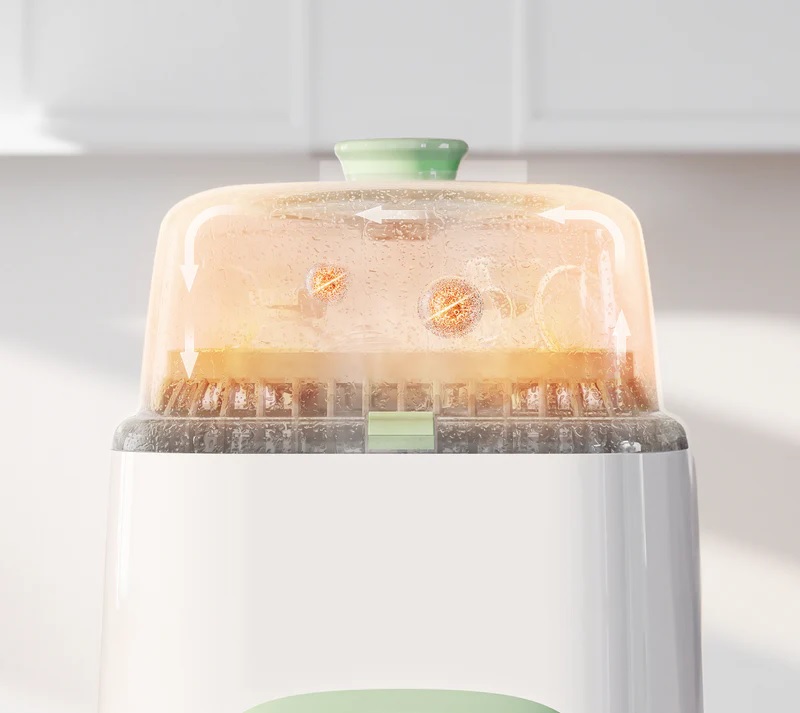
“When can I stop sterilizing these bottles?” This is a question most parents ask themselves during late-night feeds. Whether using a bottle sterilizer or boiling water, it’s a practical concern – sterilizing takes up valuable time when you’re already busy with feeding and diaper changes. Different health organizations have varying advice: some say you can reduce sterilizing after three months if your baby is healthy, while others recommend continuing until their first birthday. This guide will help you decide what’s best for your baby based on their age, health, and living environment.
Common Concerns About When to Stop Sterilizing Baby Bottles
Parents face several worries when deciding whether to continue or stop bottle sterilization. These concerns often create uncertainty about making the right choice for their baby’s health.
1. Baby’s Immune System Development
Some parents worry that too much sterilizing might make it harder for babies to build natural immunity. It’s normal to wonder if a super-clean environment is always better for your baby.
2. Time and Effort Required
Sterilizing bottles is time-consuming. You need to wash, boil, and wait for everything to dry – all while managing other daily tasks. For working parents, this extra step can be particularly challenging.
3. Risk of Bacterial Growth
Most parents worry about what might happen if they stop sterilizing too early. The thought of harmful bacteria growing in bottles or milk residue can be concerning, making many continue sterilizing longer than needed.
4. Conflicting Medical Advice
It’s confusing when doctors, family members, and health organizations all give different advice about when to stop sterilizing. Some say three months is enough for healthy babies, while others insist on continuing for a full year. This makes it hard for parents to know what’s right for their baby.
When to Start Reducing Baby Bottle Sterilization
For healthy babies, you can start reducing bottle sterilization after three months, but continue until 12 months for the safest approach. Your baby’s health and environment determine the right timing.
Three-Month Milestone
The CDC and Texas Children’s Hospital note that daily sterilization becomes less essential for healthy babies after three months. At this stage, you can start sterilizing once daily instead of after each use. Always wash bottles thoroughly with hot, soapy water between feeds.
Special Health Conditions
Full sterilization must continue beyond three months for premature babies and those with weakened immune systems. Recent illnesses, poor local water quality, or any digestive issues also require longer sterilization periods. The specific duration depends on your pediatrician’s assessment of your baby’s health status.
Safe Reduction Steps
Follow these steps when beginning to reduce bottle sterilization:
● Start with one unsterilized feed per day, keeping all other feeds sterilized
● Always maintain sterilization for night bottles
● Use water above 120°F (48.9°C) for thorough washing
● Ensure bottles are completely dry before each use
● Monitor your baby closely during the first two weeks of this new routine
● Return to full sterilization if you notice any changes in your baby’s health
The NHS (UK) advises sterilization until 12 months as the safest choice. A consultation with your pediatrician helps determine the most appropriate approach for your baby’s specific situation.
When to Stop Sterilizing Baby Bottles Completely
The complete end of bottle sterilization typically comes at 12 months, as recommended by the NHS. This marks a major transition in your baby’s feeding hygiene routine.
Final Health Check
Before stopping sterilization entirely, your baby should show consistent good health over several months. Their immune system should handle regular illnesses well, and they should maintain steady growth and development.
Complete Cleaning Switch
Once sterilization stops, a thorough cleaning routine becomes essential. Use hot, soapy water at 120°F (48.9°C) or a bottle washer, and wash all bottle parts immediately after feeds. The clean bottles should be stored in a dry, covered container. Old bottles and teats need regular replacement, typically every few months, as they can develop cracks that harbor bacteria.
Extended Sterilization Cases
Some babies need sterilized bottles beyond 12 months, particularly those with medical conditions affecting immunity or recurring infections. Local water quality also influences this decision. In these cases, your pediatrician will provide guidance on how long to continue sterilization based on your baby’s specific health needs.
Safety Tips for Baby Bottle Sterilizing
Proper sterilization techniques ensure your baby’s bottles remain safe throughout their first year. These methods protect against harmful bacteria while maintaining bottle quality.
1. Hot Water Sterilization
Boil bottles and feeding equipment in water for at least 5 minutes. The water must fully cover all items. Place bottles and parts into the pot only after the water reaches a rolling boil. Metal tongs help remove hot items safely.
2. Steam Sterilization
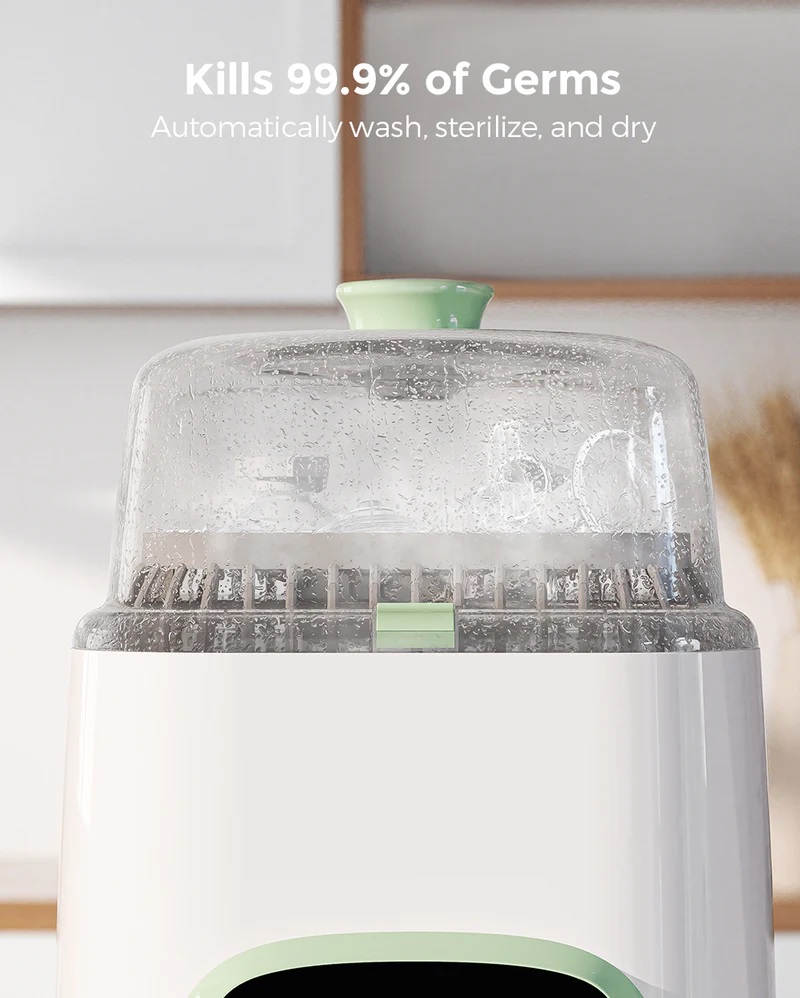
Electric bottle sterilizers offer a convenient option for busy parents. Place clean bottles upside down in the sterilizer, ensuring proper spacing between items. Most electric sterilizers complete a cycle in 8-12 minutes. Microwave steam bags provide a portable alternative, ideal for travel.
3. Post-Sterilization Care
Clean, dry hands must handle sterilized equipment. Assemble bottles right after sterilization on a clean surface. Unused sterilized bottles stay safe for 24 hours if kept sealed in the sterilizer. Air-dry items on a clean paper towel if not using them immediately.
4. Equipment Maintenance
Check bottles and teats regularly for damage. Replace teats every 2-3 months as they can deteriorate. Keep sterilizing equipment clean – descale the baby bottle sterilizer monthly and wash bottle brushes after each use. Hard water areas may need more frequent descaling.
FAQs about When to Stop Sterilizing Baby Bottles
1. Can I stop sterilizing bottles at 6 months?
No, six months is too early to stop completely. The NHS advises continuing sterilization until at least 12 months old. However, if your baby is healthy and over three months old, you can reduce the frequency of sterilization for some feeds while maintaining it for others, especially night feeds. The CDC and Texas Children’s Hospital support this flexible approach for healthy babies after three months.
2. Can I stop sterilizing bottles at 12 months?
Yes, most healthy babies can stop bottle sterilization at 12 months, as recommended by the NHS. However, this timing isn’t fixed for every baby. Babies with weak immune systems, ongoing health issues, or those living in areas with poor water quality may need to continue sterilization beyond their first birthday. Your pediatrician can advise on the right time based on your baby’s specific health situation.
3. Do baby bottles have to be completely dry before use?
Yes, bottles must be completely dry before use. Moisture creates an environment where bacteria can grow quickly. After sterilizing, place bottles on a clean drying rack or paper towel, and allow them to air dry thoroughly. Never use cloth towels to dry bottles as they may introduce new bacteria. Store fully dried bottles in a clean, covered container until needed.
Make the Right Sterilization Choice for Your Baby!
The decision to reduce or stop bottle sterilization depends on your baby’s age, health, and environment. While healthy babies can begin reducing sterilization after three months, maintaining full sterilization until 12 months provides the safest approach, as recommended by the NHS. Pay attention to your baby’s health signals, follow proper cleaning techniques, and consult your pediatrician for personalized advice. Whether you’re using boiling water or a bottle sterilizer, consistent hygiene practices during your baby’s first year help protect their health and give you peace of mind.