

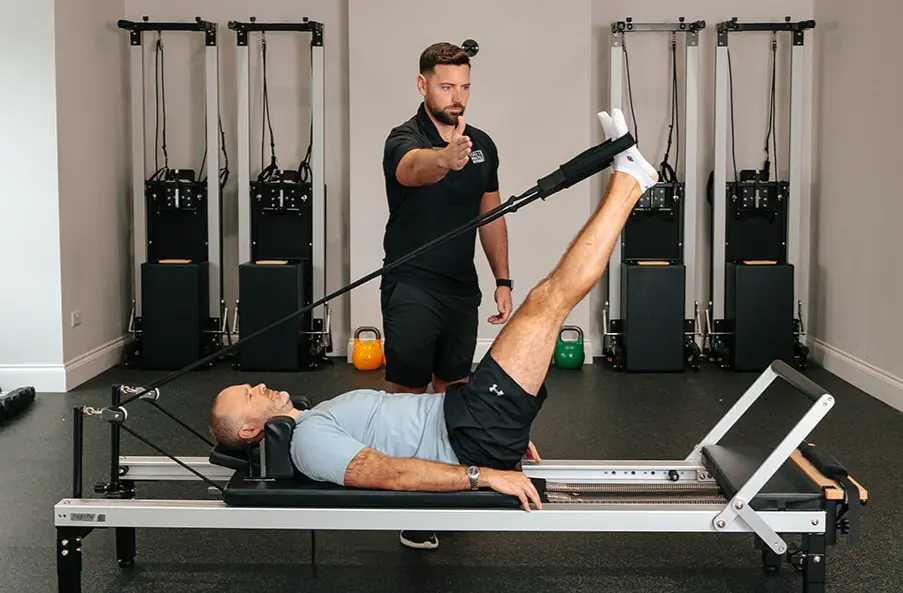
Recovering from an injury is never a straightforward journey. Many people turn to physiotherapy or conventional strengthening exercises, but a growing number of health professionals are now recommending reformer pilates Singapore as part of a comprehensive rehabilitation plan. With its controlled movements, adjustable resistance, and ability to target deep stabilising muscles, reformer Pilates has become one of the most effective methods for injury recovery and long-term prevention in Singapore.
Understanding the Principles of Reformer Pilates
Reformer Pilates is performed on a specialised piece of equipment called a reformer, which consists of a sliding carriage, springs, ropes, and pulleys. Unlike mat Pilates, the reformer allows for resistance-based exercises that can be adapted to suit different fitness levels and recovery stages.
The focus is not only on large muscle groups but also on smaller stabilisers that support the spine, hips, and joints. These often-overlooked muscles are essential in preventing re-injury and maintaining structural balance. By combining controlled breathing with precise, low-impact movement, reformer Pilates promotes recovery without placing unnecessary strain on vulnerable areas.
Why Rehabilitation Requires a Gentle Yet Effective Approach
When recovering from an injury, pushing the body too quickly can set healing back. On the other hand, doing too little can result in stiffness, weakness, and long-term mobility limitations. Reformer Pilates strikes a balance by providing resistance that can be fine-tuned for rehabilitation needs.
For example:
-
After a knee surgery, a physiotherapist may recommend leg press movements on the reformer to strengthen quadriceps and glutes without adding high-impact pressure.
-
For someone with a herniated disc, reformer Pilates can help retrain core muscles to stabilise the spine and reduce recurring pain.
-
Shoulder rehabilitation often includes controlled range-of-motion exercises with the reformer’s pulley system, rebuilding strength without overloading the joint.
This adaptability makes it a safe choice for different conditions, from sports injuries to post-operative recovery.
Addressing Common Injuries with Reformer Pilates in Singapore
In Singapore, the most frequent injuries treated with reformer Pilates include:
Sports-Related Injuries
Singapore’s active lifestyle, with its growing interest in marathons, cycling, tennis, and recreational sports, often leads to strains and overuse injuries. Reformer Pilates provides a controlled environment for athletes to rebuild strength and improve biomechanics, reducing the risk of future setbacks.
Back Pain and Spinal Issues
Sedentary jobs and long hours at desks are common in Singapore’s professional environment. Chronic back pain, disc problems, and poor posture can all be addressed through targeted reformer Pilates sessions that strengthen spinal stabilisers and enhance posture.
Post-Surgery Recovery
For individuals recovering from hip, knee, or shoulder surgery, traditional exercises can feel intimidating. Reformer Pilates offers low-impact, guided movements that restore mobility while protecting surgical sites.
Age-Related Conditions
Older adults often struggle with osteoporosis, arthritis, and balance issues. Reformer Pilates builds joint-friendly strength and stability, lowering fall risks and improving day-to-day independence.
Long-Term Injury Prevention Through Reformer Pilates
Rehabilitation is only part of the picture. Preventing future injuries is equally important, and this is where reformer Pilates shines.
Core Strength and Stability
A weak core is one of the leading causes of injury recurrence. Reformer Pilates works deep abdominal and back muscles, ensuring proper alignment and stability in all activities.
Posture Correction
Many injuries stem from poor posture and misalignment. By retraining the body to maintain neutral spine and balanced muscle activation, reformer Pilates reduces unnecessary strain.
Improved Flexibility and Range of Motion
Tight muscles restrict movement and increase injury risk. Regular reformer Pilates gently stretches and lengthens muscles, improving overall mobility.
Balanced Muscle Development
Some muscles tend to dominate in daily activities while others remain underutilised. The reformer targets both primary and supporting muscles, creating balanced strength that reduces compensatory movement patterns.
Professional Guidance Matters
While reformer Pilates offers numerous benefits, professional supervision is crucial, especially for rehabilitation. Certified instructors in Singapore are trained to assess movement patterns, understand injury limitations, and create customised programmes.
Studios that focus on holistic wellness ensure that each session is tailored to recovery goals, whether it is regaining mobility after surgery or enhancing stability to prevent falls. Over time, clients often transition from recovery sessions to general fitness routines, making reformer Pilates a long-term lifestyle choice.
The Singapore Context: Why Reformer Pilates is Gaining Popularity
Healthcare professionals in Singapore are increasingly recognising reformer Pilates as a complement to physiotherapy. With a rise in musculoskeletal injuries from both sports and sedentary lifestyles, people are looking for safe, sustainable methods to heal and prevent recurrence.
Additionally, Singapore’s emphasis on workplace wellness has led companies to encourage employees to seek fitness programmes that enhance mobility and reduce pain. This cultural shift towards proactive health management has contributed to the growth of reformer Pilates studios across the city.
Key Benefits of Reformer Pilates for Rehabilitation
To summarise the rehabilitation advantages in detail, here are the main takeaways:
-
Gentle progression: Exercises can be adjusted from very light to more challenging, suitable for each recovery stage.
-
Low-impact design: Protects healing joints and tissues.
-
Holistic approach: Improves strength, flexibility, balance, and coordination simultaneously.
-
Personalisation: Tailored programmes for different injury types and recovery goals.
-
Mind-body connection: Encourages awareness, which helps prevent future injuries caused by poor movement habits.
Choosing the Right Studio in Singapore
Selecting the right environment is vital for rehabilitation. Look for studios that:
-
Employ certified instructors with rehabilitation knowledge.
-
Offer smaller class sizes or one-to-one sessions for individualised attention.
-
Provide clear communication with healthcare providers when needed.
-
Maintain safe, clean, and well-equipped facilities.
Among the studios that place strong emphasis on quality training, Yoga Edition has built a reputation for offering holistic reformer Pilates experiences designed for both recovery and long-term wellness.
Real-Life Testimonials: How People Benefit
Many individuals in Singapore have reported significant improvements through reformer Pilates:
-
An athlete recovering from an ACL injury rebuilt strength and returned to sports within months, with improved confidence in movement.
-
A corporate executive with chronic back pain regained mobility, reduced reliance on medication, and improved posture at work.
-
A retiree with osteoporosis enhanced bone strength and balance, allowing for independent daily living.
These stories highlight the practical impact reformer Pilates can have beyond theoretical benefits.
FAQs About Reformer Pilates and Rehabilitation
Q. Can beginners with no Pilates experience join a rehabilitation-focused reformer class?
Yes. Reformer Pilates is highly adaptable. Certified instructors will guide beginners through gentle movements that suit their condition and fitness level.
Q. How often should someone recovering from injury attend reformer Pilates sessions?
This depends on the injury and recovery plan, but most individuals benefit from 2–3 sessions per week under professional guidance.
Q. Is reformer Pilates a replacement for physiotherapy in Singapore?
Not exactly. It works best as a complement to physiotherapy, continuing the rehabilitation process once initial medical treatment is complete.
Q. Can reformer Pilates help with chronic conditions like arthritis?
Yes. It improves joint mobility, builds supportive strength, and reduces stiffness, making it suitable for managing long-term conditions.
Q. How quickly can results be seen with reformer Pilates for rehabilitation?
Some people notice improved mobility and reduced pain within a few sessions, but sustainable results usually develop over a few months of consistent practice.