

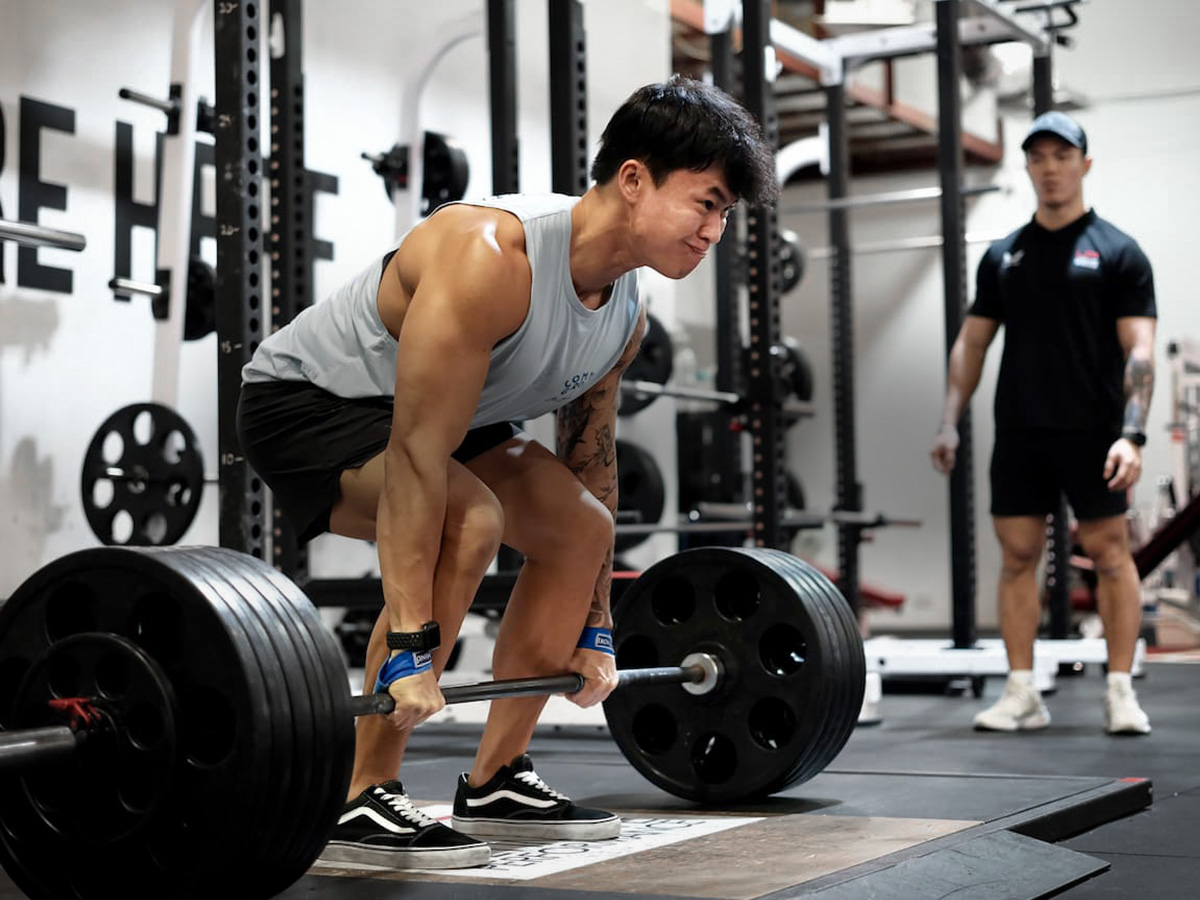
Inflammation affects many people who train regularly, especially in Singapore where local eating habits, cultural food choices and busy lifestyles create a unique set of nutritional challenges. Foods common in Asian diets, such as high-carbohydrate meals, deep-fried snacks, sweetened beverages and sodium-heavy dishes, can contribute to chronic inflammation if taken too often without proper balance. This is why working with a personal gym trainer singapore becomes incredibly valuable for individuals who want to improve performance, reduce discomfort and optimise muscle recovery.
Trainers in Singapore often design anti-inflammatory training plans that acknowledge local eating patterns rather than forcing clients into unrealistic meal changes. Instead of only focusing on dieting, they create exercise structures that help regulate inflammation, enhance mobility and support better metabolic health. This approach blends scientific understanding with practical solutions suited to Singapore’s food culture.
Understanding Inflammation and Its Impact on Training
Inflammation is the body’s natural response to stress and injury. Short-term inflammation is necessary for muscle repair, but chronic inflammation can disrupt performance, reduce energy levels, weaken recovery and increase the risk of injury.
How Chronic Inflammation Affects Training
When inflammation becomes persistent, clients may experience:
-
Slower muscle recovery
-
Frequent soreness
-
Poor sleep quality
-
Lower strength output
-
Reduced metabolic efficiency
-
Higher fatigue levels
These symptoms often appear even when training programmes are well structured. Diet is one of the most overlooked contributors to inflammation, especially in Singapore.
How Asian Diets Interact With Inflammation
A typical Asian diet includes:
-
Fried foods
-
Refined carbohydrates
-
Sauces rich in sugar and sodium
-
Popular street food and snacks
-
High-rice intake
-
Sweetened drinks and desserts
These do not need to be eliminated completely. Instead, trainers design exercise plans that help reduce inflammation triggered by dietary habits. The goal is balance, not restriction.
How Personal Trainers Incorporate Anti-Inflammatory Approaches Into Training
Anti-inflammatory training plans are not simply lighter workouts. They are deliberate systems that support better blood flow, reduce joint strain, encourage mobility and optimise muscle repair.
Structured Warm-Ups to Reduce Joint Stress
Many clients experience stiff joints due to inflammation. Trainers begin with warm-ups that:
-
Increase synovial fluid in the joints
-
Improve blood circulation
-
Activate stabilising muscles
-
Reduce stiffness in the hips, knees and shoulders
This reduces stress during strength work and improves training quality.
Alternating Between Low-Impact and High-Intensity Sessions
High-intensity sessions increase inflammatory load. To avoid overloading the body, trainers alternate training types across the week. This allows clients to build strength while maintaining healthy inflammation levels.
A weekly plan may include:
-
Strength training days
-
Low-impact conditioning
-
Controlled tempo work
-
Mobility and stretching sessions
-
Moderate cardio
This structured approach ensures inflammation stays manageable.
Incorporating Anti-Inflammatory Movements
Certain movements improve blood flow and reduce stiffness. Trainers in Singapore often include:
-
Rotational core exercises
-
Glute activation work
-
Controlled hip and thoracic mobility
-
Slow-tempo strength exercises
-
Isometric holds for joint support
These exercises counteract the effects of prolonged seating and high-sodium diets.
How Trainers Adapt Strength Training to Support Anti-Inflammatory Benefits
Training is not only about building muscle. It is also about supporting the body’s ability to manage inflammation long term.
Using Strength Training to Improve Insulin Sensitivity
A high-carbohydrate Asian diet can lead to insulin spikes, which contribute to inflammation. Strength training increases insulin sensitivity, helping the body manage glucose more efficiently.
Trainers include:
-
Compound lifts
-
Moderate rep ranges
-
Progressive overload
-
Full-body strength sessions
These methods help stabilise blood sugar, which reduces inflammation.
Targeting Muscles That Support Better Posture
Poor posture increases muscular inflammation around the neck, shoulders and lower back. Trainers include strength work for:
-
Upper back
-
Glutes
-
Deep core muscles
By strengthening these muscles, trainers reduce physical stress that contributes to chronic inflammation.
Incorporating Controlled Eccentric Movements
Eccentric training encourages muscle growth while minimising excessive strain. Trainers use slow eccentrics to:
-
Reduce workout-related inflammation
-
Improve control
-
Strengthen tendons
-
Support joint stability
This style works well for clients who experience inflammation-related discomfort.
How Trainers Connect Diet Awareness to Training Outcomes
Trainers cannot replace nutritionists, but they understand how diet affects recovery and performance. In Singapore, where people often eat meals with family or consume convenient food options, trainers focus on practical guidance.
Encouraging Balanced Meal Structure
Instead of avoiding rice or noodles entirely, trainers may suggest:
-
Adding more vegetables
-
Reducing fried items
-
Choosing leaner proteins
-
Opting for soup-based dishes occasionally
-
Taking sweetened drinks less frequently
These small adjustments reduce inflammatory load without disrupting lifestyle.
Highlighting Post-Workout Nutrition for Recovery
Trainers recommend meals that support faster inflammation control after training, such as:
-
Lean protein for muscle repair
-
Healthier carbohydrate sources
-
Moderate fibre intake
-
Adequate hydration
Proper post-training meals can reduce stiffness the next day.
Educating Clients About Hidden Inflammatory Foods
Many popular dishes include ingredients that increase inflammation without people realising. Trainers help clients understand which food combinations may affect their recovery when consumed too often.
How Sleep and Lifestyle Habits Fit Into Anti-Inflammatory Plans
Training alone cannot reduce inflammation. Lifestyle plays a major role.
Improving Sleep Quality
Inflammation increases significantly when sleep quality drops. Trainers often discuss sleep habits with clients to support better recovery.
Encouraging Movement Throughout the Day
Sitting for too long increases joint stiffness. Trainers encourage short movement breaks to support better blood flow.
Stress Management
Stress elevates cortisol, which increases inflammation. Trainers include breathing work and mindful pacing during sessions to help clients regulate stress.
Why a Singapore-Specific Approach Matters
Singapore’s food culture is rich, diverse and filled with flavourful dishes. Restricting all such foods is unrealistic and unnecessary. Instead, trainers build training systems that allow clients to enjoy cultural foods while managing inflammation effectively.
Clients who prefer structured, science-supported coaching can explore True Fitness Singapore, where trainers use practical and personalised training approaches suited for local lifestyles.
Real-Life Examples of Anti-Inflammatory Training in Action
Here are scenarios that trainers commonly encounter.
A Client Who Eats Mostly Hawker Food
The trainer introduces strength cycles that help regulate glucose and reduce inflammatory load.
A Client With Frequent Joint Stiffness
The trainer includes mobility, eccentric work and postural strength exercises.
A Client With High Work Stress
The trainer modifies intensity and incorporates breath-focused training blocks.
Frequently Asked Questions
Can anti-inflammatory training help reduce soreness?
Yes. It helps reduce both workout-related soreness and chronic stiffness caused by lifestyle habits.
Do I need to change my entire diet for this approach to work?
Not at all. Small, manageable adjustments combined with structured training provide excellent results.
Why does my body feel more inflamed on certain weeks?
It can be due to stress, poor sleep, sodium-heavy meals or heavier training loads.
Is anti-inflammatory training suitable for beginners?
Yes. It supports better joint health and reduces discomfort for people at any fitness level.
How soon can improvements be seen?
Many clients notice reduced stiffness and better recovery within two to four weeks.