

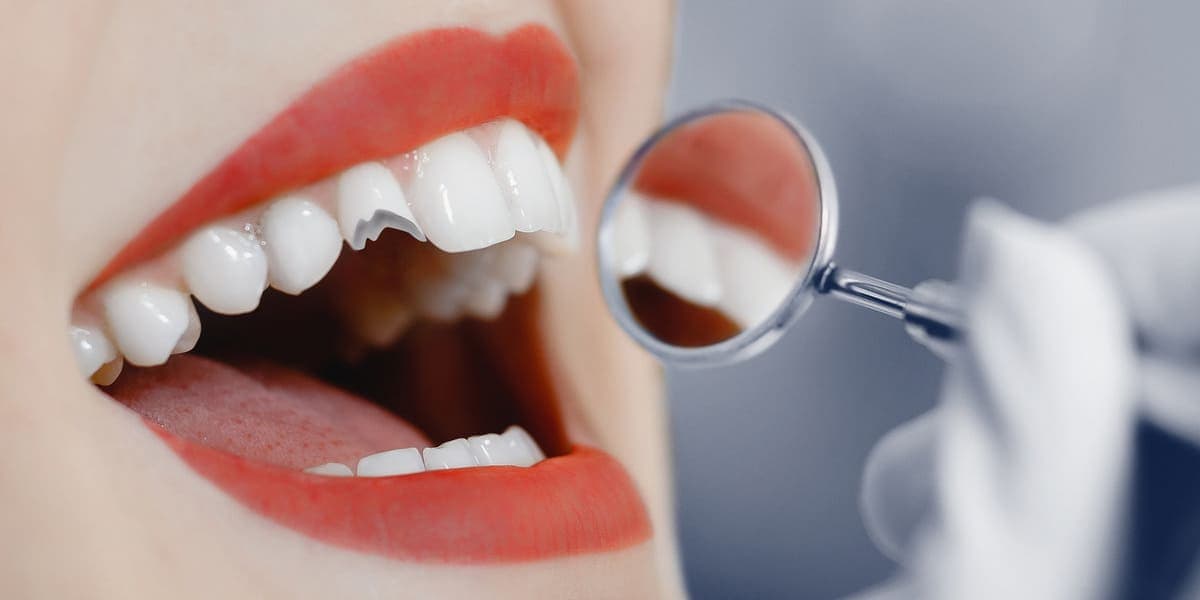
Tooth wear is becoming more common across the UK, affecting adults of all ages and backgrounds. Unlike tooth decay, it often progresses quietly, without pain in its early stages, which means many people only notice the damage once it has become significant. Understanding why teeth wear down and what can be done to slow or prevent it is essential for maintaining long-term oral health. This article explains the eight most frequent causes of tooth wear, drawing on clinical insight and everyday examples relevant to patients seeking practical, reliable guidance, whether they attend a general practice or consult a cosmetic dentist London residents trust for restorative care.
Early awareness matters because tooth wear is irreversible. Once enamel is lost, the body cannot regenerate it. However, progression can be slowed, symptoms managed, and appearance restored when needed. By recognising the underlying causes, patients can make informed decisions about lifestyle changes and professional treatment before more complex intervention becomes necessary.
On this topic, a cosmetic dentist from MaryleboneSmileClinic notes that many patients are surprised to learn how everyday habits affect enamel strength. The clinic regularly advises individuals who notice flattening, sensitivity, or small chips to seek an assessment sooner rather than later. Readers looking for professional guidance can click here to access the clinic’s website, where further information is available about preventative strategies and treatment options tailored to different stages of tooth wear.
Acid Erosion from Diet and Drink
One of the most significant contributors to tooth wear is acid erosion, which occurs when acids soften and gradually dissolve enamel. This process is commonly linked to diet, particularly the frequent consumption of fizzy drinks, fruit juices, wine, and citrus fruits. Even foods often considered healthy can be harmful when eaten repeatedly throughout the day, as constant acid exposure prevents saliva from neutralising the mouth effectively.
In London, where people often snack on the go or sip drinks over extended periods, acid erosion can progress unnoticed. Teeth may begin to look smoother, thinner, or more translucent at the edges. Sensitivity to hot or cold is also common. Importantly, erosion does not involve bacteria, so brushing alone cannot reverse the damage. In fact, brushing immediately after acidic intake can worsen wear, as softened enamel is more vulnerable to abrasion.
Reducing frequency is just as important as reducing quantity. Drinking acidic beverages with meals, using a straw, and rinsing with water afterwards can all help. Dentists may also recommend high-fluoride toothpaste or protective treatments for patients showing early signs of erosion.
Tooth Grinding and Clenching (Bruxism)
Bruxism, the involuntary grinding or clenching of teeth, is another major cause of tooth wear. It often occurs during sleep but can also happen during the day, particularly in response to stress or concentration. Over time, the repeated force flattens biting surfaces, shortens teeth, and can cause fractures or jaw discomfort.
Many patients are unaware they grind their teeth until a dentist points out tell-tale signs such as worn enamel, cracks, or muscle tenderness. In a city environment where work pressures and disrupted sleep are common, bruxism is frequently diagnosed. Unlike erosion, wear from grinding tends to affect opposing teeth evenly and may be accompanied by headaches or facial pain.
Management focuses on protecting the teeth rather than stopping the habit entirely, as bruxism is often subconscious. Custom-made night guards reduce direct tooth contact and absorb forces, slowing further damage. Stress management and lifestyle adjustments can also play a role in reducing severity.
Abrasion from Oral Hygiene Habits
Tooth wear can also result from mechanical abrasion, most commonly linked to brushing technique. Using a hard-bristled toothbrush, applying excessive pressure, or brushing too frequently can gradually wear away enamel, especially near the gum line. This often leads to notches or grooves at the neck of the tooth, which may be mistaken for decay.
Well-intentioned efforts to maintain oral cleanliness can therefore backfire. Whitening toothpastes, which are more abrasive, can exacerbate the problem when used long term. Patients who brush immediately after acidic meals further increase the risk, as enamel is temporarily softened.
Dentists typically advise switching to a soft-bristled brush and using gentle, circular motions rather than horizontal scrubbing. Electric toothbrushes with pressure sensors can also help. Abrasion-related wear progresses slowly, but once established, it can contribute significantly to sensitivity and aesthetic concerns if left unaddressed.
Acid Reflux and Medical Causes
Not all acid erosion originates from diet. Medical conditions such as gastro-oesophageal reflux disease (GORD) can expose teeth to stomach acid, which is far more corrosive than dietary acids. This type of erosion often affects the inner surfaces of the teeth and may progress rapidly.
Patients may not associate dental changes with reflux, particularly if symptoms are mild or occur mainly at night. In some cases, tooth wear is one of the first visible signs of an underlying condition. Eating disorders that involve vomiting also carry a high risk of severe erosion and require sensitive, multidisciplinary management.
Dental professionals play an important role in identifying unusual wear patterns and recommending medical assessment when appropriate. Managing the underlying condition, combined with protective dental strategies, is essential to prevent ongoing damage.
Bite Problems and Misalignment
The way teeth meet when biting or chewing can influence how quickly they wear down. Misalignment, uneven bite forces, or missing teeth can cause certain areas to absorb more pressure than intended. Over time, this leads to accelerated wear on specific teeth.
Orthodontic issues are not only cosmetic concerns. When left untreated, they can contribute to functional problems and structural damage. Teeth that are tilted or overcrowded may also be harder to clean effectively, compounding the risk of wear through abrasion and decay.
Modern dentistry offers various approaches to correcting bite problems, ranging from orthodontic treatment to selective adjustment or restorative work. Early assessment allows for more conservative solutions, whereas advanced wear may require more extensive intervention to restore balance and function.
Age-Related Changes and Long-Term Habits
Some degree of tooth wear is a natural part of ageing. Years of chewing, speaking, and exposure to different foods inevitably leave their mark. However, the rate and severity of wear vary widely depending on habits, oral care, and genetic factors.
People are also retaining their natural teeth for longer than previous generations, which means enamel is expected to last several decades more than it once did. Long-term habits such as nail biting, chewing pens, or using teeth as tools may seem minor but contribute cumulatively to wear.
Regular dental check-ups allow clinicians to distinguish between acceptable age-related changes and problematic wear that requires intervention. Preventative advice, monitoring, and early treatment help preserve tooth structure and avoid complex restorative needs later in life.
Managing Tooth Wear and Planning Treatment
Once tooth wear has been identified, management depends on severity and cause. Early stages may only require monitoring and preventive measures, while more advanced cases can involve bonding, veneers, or crowns to restore function and appearance. A cosmetic dentist London patients consult for smile restoration will typically focus on conserving as much natural tooth structure as possible while addressing sensitivity and aesthetics.
Education is central to long-term success. Patients who understand why wear is occurring are better equipped to make sustainable changes. Treatment planning often involves a phased approach, starting with protection and stabilisation before any cosmetic enhancement is considered.
Tooth wear is rarely caused by a single factor. It is usually the result of multiple influences acting together over time. Recognising this complexity allows both patients and professionals to take a balanced, realistic approach, prioritising oral health while maintaining comfort and confidence in everyday life.